Pottery Kiln Free Stock Photo Public Domain Pictures
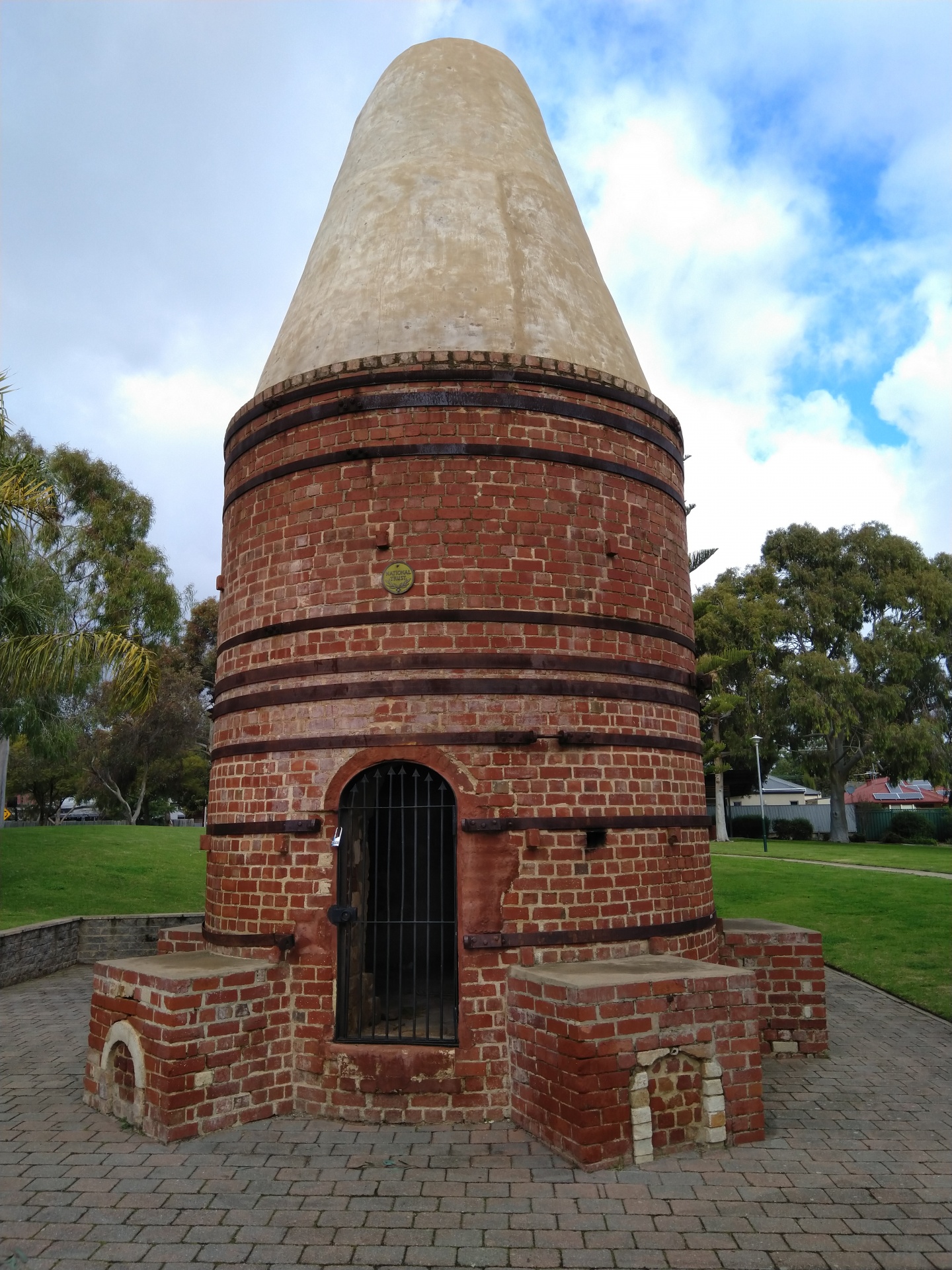
Beechwood Wetlands. Sunday, April 23, 2017. In 1826 The Taylor Family moved to the property that today we know as Crother's Woods. Beechwood Drive is the road that led to the homestead they built and for decades was one of only a few places where you could travel across the Don Valley. Parshall Terry owned the property that became known as.
Heavenly Organics Mint Chocolate Honey Patties Thrive Market
The Great Honey Kiln of 1800 located at 44 Beechwood Dr, East York, ON M4K 3H8 - reviews, ratings, hours, phone number, directions, and more.
honey
The remains of an 1800's Brick Kiln have been unearthed in a field next to the Medical Centre in Heath Rd. This kiln, typical of its type for Suffolk, would have been close to the Constable family Windmill on the corner of Mill Road and would typically have used locally sourced clay from "Clay Pit Field" next door north east of the Donkey Track. The red bricks from this kiln would doubtless.
Kiln Cottage Pottery Layham

Within Toronto's Lower Don River Trail area lies the Great Honey Kiln of 1800, a small but mighty monument to the city's industrial heritage. Beli. Believed to have been built by the Taylor family in the 19th century, this structure played a pivotal role in
Sparkys Honey and Maple

Don Valley bricks were the final step in a 400 million year process. Long before human history began, a tropical ocean covered what is now Ontario. Over eons, the weight of the water compressed.
Kettle Brand Honey Dijon Potato Chips 141g Gan Teck Kar Investments Pte Ltd

Within Toronto's Lower Don River Trail area lies the Great Honey Kiln of 1800, a small but mighty monument to the city's industrial heritage.
Honey tree

4 January 2024. Comments 11. Since the master brickmakers, the Romans, conquered Britain 2,000 years ago, many buildings across England have traditionally been constructed of brick. The Grade I listed Little Wenham Hall in Suffolk, built around 1260 to 1290, is a house rather than a fortification. It represents one of the earliest uses of brick.
Honey Bee Wild

A typical Oast House consisted of the 'oast' and the 'stowage'. The oast was a kiln, with a plenum chamber fired by charcoal at ground floor and the drying floor directly above. The steep pitched roof channelled the hot air through the hops to the top. A cowl on the top of the roof allowed the hot air ('reek') to be drawn up through the kiln in a vacuum effect.
Honey stories

377 likes, 15 comments - ghost_gravel on November 19, 2021: "'The Great Honey Kiln of 1800' . Sometimes the best adventures are those right in your backya." Ghost Gravel on Instagram: "'The Great Honey Kiln of 1800' .
Free Images sweet, tea, pot, honey, jar, dip, dish, produce, drink, dessert, cuisine, asian

form bricks. These can use dryer clay and in some cases make bricks which can be placed straight in a kiln. The final stage is the firing of the bricks. Originally the heating was done in clamps, something like the mounds used by charcoal burners. The unfired bricks would be stacked up, surrounded by fuel and covered in soil.
Book a Tour — The Honey Farm
Brickmaking 2 By the end of the 16 th century the increased use of bricks led to the setting up of permanent brickyards, where regular kilns would be used instead of the clamp system By the late 17 th century the usual kiln was a type known as the Scotch kiln.This consisted of a large chamber at the top, with a series of fire holes along each side
Contact Us — HONEY CHILE
.png?format=1500w)
Within Toronto's Lower Don River Trail area lies the Great Honey Kiln of 1800, a small but mighty monument to the city's industrial heritage. Believed to have been built by the Taylor family in the 19th century, this structure played a pivotal role in Toronto's thriving brick-making industry.
Raw Honey Peel's Honey

The kiln is marked as a point of interest or whatever on Google maps, where it's called The Great Honey Kiln of 1800, but it looks very much (to my completely non-expert eye!) like it's built with a construction technique that was used along Lake Ontario starting around 1840.
Salt & Wild Honey

Highgate. (fn. 1) For over 400 years Highgate has contained fine houses, for the rich and sometimes the famous, and a school established by Sir Roger Cholmley. (fn. 2) The centre, known as Highgate village, is remarkable for its many 17th- and 18th-century buildings and still attracts wealthy residents, while Cholmley's foundation has come to.
Honey Bee Florists Warrington

This IHA provides an introduction to pre-industrial ironworks. Making an iron object involved several stages; the term 'ironworking' covers all of these and an 'ironworks' was where these activities took place. Descriptions of the asset type and its development along with a brief chronology are included.
Sri Lankan Peanut Brittle Lord and Lion

Within Toronto's Lower Don River Trail area lies the Great Honey Kiln of 1800, a small but mighty monument to the city's industrial heritage.